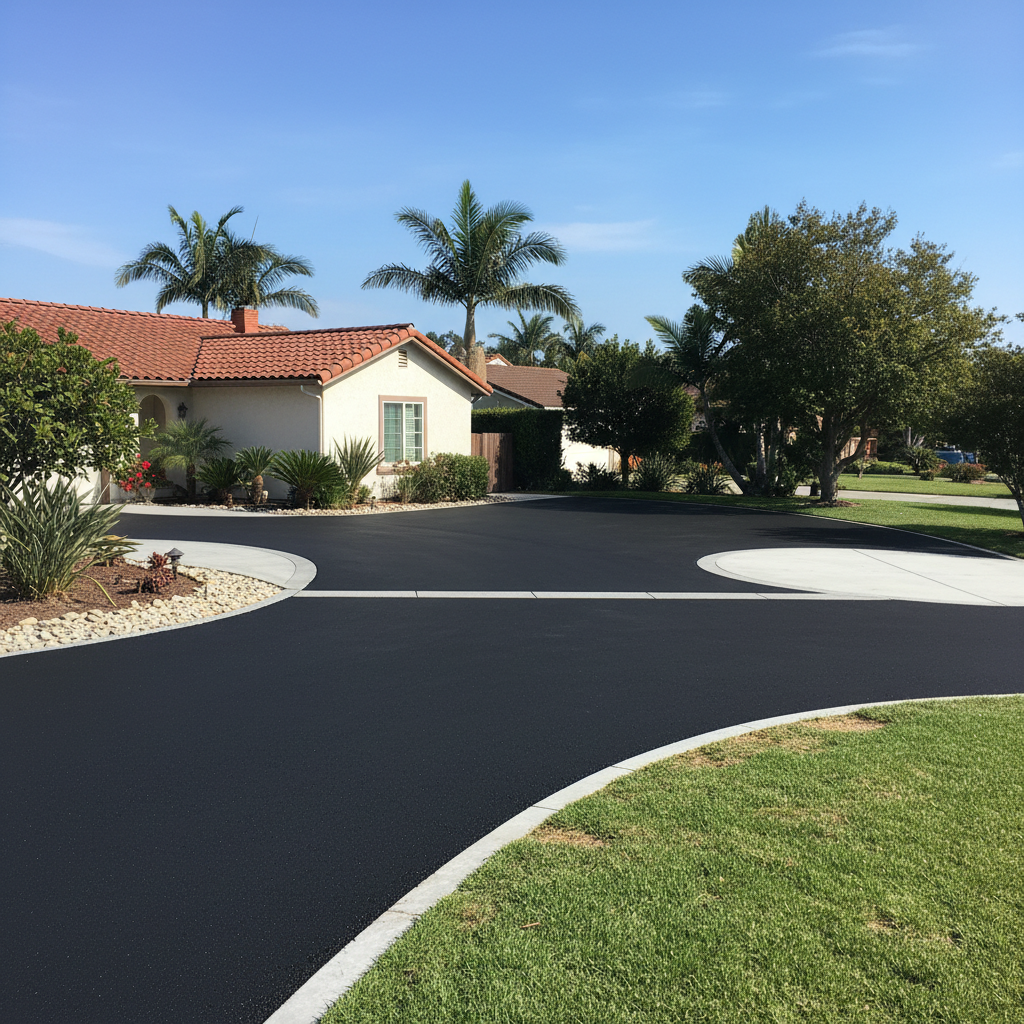
Ever watch a crew pave a commercial parking lot down near the industrial strip off Alamitos Avenue, only to see it cracking and pooling water a year later? Diamond Asphalt has seen it happen more times than we care to count. When you are managing a commercial property, planning an asphalt project is not like patching a residential driveway. The stakes are higher, the heavy trucks are heavier, and the mistakes get real expensive real fast.
Falling for the Lowest Bid Without Checking the Scope
Property owners have all looked at bids and felt tempted to go with the cheapest number on the paper. But in the paving business, a rock-bottom price usually means someone is cutting corners. They are either laying down a thinner layer of asphalt than your traffic load requires, or they are skipping the important sub-base prep entirely. Here around Long Beach, where our native soils can be a mix of dense clay and sandy pockets near the coast, you cannot afford to skimp on the foundation.
- Read every line of the proposal closely.
- Verify the exact thickness of the aggregate base and asphalt layers.
- Ask yourself why one contractor is twenty percent cheaper than everyone else.
Ignoring Proper Drainage Engineering
Water is asphalt's worst enemy. If your contractor does not grade the lot with precise slopes, you will end up with standing water every time we get a rare winter downpour. That trapped moisture seeps into the sub-base, softens the foundation, and leads straight to potholes and alligator cracking. A proper commercial plan always accounts for catch basins, flow lines, and runoff paths tailored to local municipal codes.
Skipping Utility Coordination and Permits
Nothing kills a project timeline faster than a city inspector shutting you down halfway through day one. Commercial properties in neighborhoods like Bixby Knolls or downtown require strict adherence to local permitting, especially regarding ADA compliance for parking stalls and path-of-travel requirements. Diamond Asphalt always reminds property owners that handling permits upfront is cheaper than paying fines or ripping up fresh asphalt to adjust utility boxes later.
Take your time, vet your contractors thoroughly, and make sure your scope of work matches the actual heavy-duty demands of your property in Long Beach.